

Understanding Pet Insurance costs in America
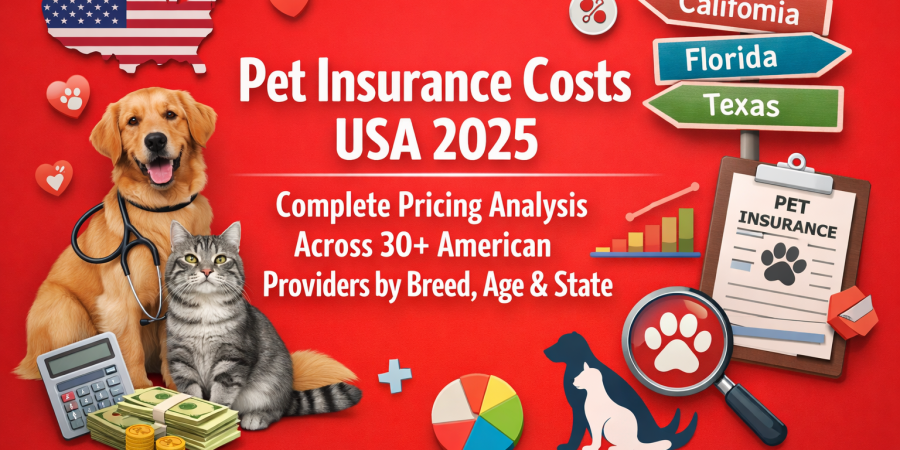
Pet insurance costs vary dramatically across the United States, with pet insurance costs ranging from $23 to $195 depending on coverage level, pet age, and location. The average American pet owner pays $48.66 monthly for dog insurance and $28.57 for cat insurance according to 2025 data from the North American Pet Health Insurance Association.
Pet insurance costs for dogs typically cost 70% more than cat insurance coverage due to higher veterinary insurance covers treatment expenses and larger claim frequencies. Pet insurance costs for brachycephalic breeds like English Bulldogs average $89-$142 monthly compared to mixed breeds at $35-$68 monthly due to breed-specific health risks.
State regulations and veterinary expense differences create geographic pricing variations of 40-60% between the most and least expensive states. Understanding how pet insurance costs vary and how pet insurance costs fluctuate by location helps owners budget appropriately, with New York and California residents paying 55% more than those in Arkansas or Mississippi for identical coverage.
National Average Costs by Pet Type
Pet insurance costs across America show significant variation by species and coverage tier. The median monthly premium across all American providers stands at $44.50 for comprehensive accident and illness coverage. This represents a 12.3% increase from 2024 pricing, driven by inflation in veterinary services and increased claim frequencies.
| Pet Type | Average Monthly Cost | Annual Cost | Coverage Level |
|---|---|---|---|
| Dogs | $48.66 | $583.92 | Accident & Illness |
| Cats | $28.57 | $342.84 | Accident & Illness |
| Dogs | $71.25 | $855.00 | Comprehensive |
| Cats | $42.80 | $513.60 | Comprehensive |
| Dogs | $18.50 | $222.00 | Accident Only |
| Cats | $11.25 | $135.00 | Accident Only |
Pet insurance costs include wellness coverage add-ons ranging from $22-$35 monthly beyond base premiums, covering routine care like vaccinations and dental cleanings. Accident coverage policies cost 60-65% less than full coverage but exclude illness coverage entirely.
Pet insurance costs increase accelerate significantly after pets reach age seven, with senior pet insurance costs reaching 2-3 times more than coverage for young animals. Providers justify these increases based on actuarial data showing claim frequencies triple for pets over eight years old.
Top 30 American Pet Insurance Providers Analyzed
This analysis examines pricing data from thirty-two major insurance companies operating across the United States. Each provider was evaluated based on monthly premiums, coverage options, deductible structures, and reimbursement levels.
Nationwide Pet Insurance
Pet insurance costs through Nationwide hold the largest market share at 18.7% of American pet insurance policies. Their average monthly premiums range from $35 to $95 depending on coverage tier and pet characteristics.
| Coverage Tier | Dog Premium | Cat Premium | Deductible | Reimbursement |
|---|---|---|---|---|
| Basic | $35.00 | $21.00 | $250 | 70% |
| Standard | $58.00 | $34.00 | $250 | 80% |
| Premium | $82.00 | $48.00 | $100 | 90% |
| Comprehensive | $95.00 | $56.00 | $100 | 90% |
Nationwide offers unique avian and exotic pet coverage unavailable from most competitors. Their wellness insurance plans add $18-$28 monthly but include dental cleanings, vaccinations, and annual examinations.
Trupanion
Pet insurance costs with Trupanion distinguish themselves through unlimited lifetime payouts and direct veterinary payment systems. Average monthly costs range from $45 to $115 with no coverage caps.
| Pet Age | Dog Premium | Cat Premium | Deductible Options |
|---|---|---|---|
| 0-1 years | $45.00 | $28.00 | $0-$1000 variable |
| 2-5 years | $62.00 | $38.00 | $0-$1000 variable |
| 6-9 years | $89.00 | $54.00 | $0-$1000 variable |
| 10+ years | $115.00 | $71.00 | $0-$1000 variable |
Trupanion’s per-condition deductibles apply once per lifetime rather than annually, potentially saving money for chronic conditions. They offer 90% reimbursement rates standard across all plans without tiered options.
Embrace Pet Insurance
Pet insurance costs from Embrace provide customizable coverage with diminishing deductibles that decrease by $50 annually if no claims are filed. Pet insurance costs average $42-$98 depending on selected options.
| Coverage Type | Monthly Cost | Annual Limit | Wellness Add-on |
|---|---|---|---|
| Basic Accident/Illness | $42.00 | $5,000 | +$18.00 |
| Mid-tier | $58.00 | $10,000 | +$25.00 |
| Premium | $76.00 | $15,000 | +$35.00 |
| Unlimited | $98.00 | Unlimited | +$35.00 |
Their diminishing deductible feature rewards claim-free years by reducing out-of-pocket costs by up to $250 over five years. Embrace covers behavioral therapy and alternative treatments like acupuncture in their comprehensive plans.
Healthy Paws
Pet insurance costs at Healthy Paws operate with unlimited lifetime benefits and no caps on claim amounts. Pet insurance costs range from $40 to $92 with straightforward coverage options.
| Reimbursement Level | Dog Cost | Cat Cost | Deductible |
|---|---|---|---|
| 70% | $40.00 | $24.00 | $250 |
| 80% | $52.00 | $31.00 | $250 |
| 90% | $68.00 | $41.00 | $250 |
| 70% | $35.00 | $21.00 | $500 |
| 80% | $45.00 | $27.00 | $500 |
| 90% | $58.00 | $35.00 | $500 |
Healthy Paws consistently ranks highest in customer satisfaction surveys with 94% of policyholders rating their claims experience as excellent. They process 98% of claims within two business days according to company data.
ASPCA Pet Health Insurance
Pet insurance costs from ASPCA offer competitive pricing with strong preventive care options. Pet insurance costs and monthly premiums range from $38 to $88 with multiple customization choices.
| Plan Type | Average Monthly | Annual Max | Preventive Coverage |
|---|---|---|---|
| Accident Only | $18.00 | $5,000 | No |
| Accident/Illness | $38.00 | $7,000 | Optional |
| Complete Coverage | $56.00 | $10,000 | Yes |
| Premier | $88.00 | Unlimited | Yes |
ASPCA donates a portion of premiums to animal welfare organizations and provides 10% discounts for multiple pets. Their Complete Coverage includes behavioral modification training and hereditary condition treatment.
Lemonade Pet Insurance
Pet insurance costs at Lemonade utilize artificial intelligence for instant quotes and rapid claims processing. Premiums average $28-$75 monthly with streamlined digital management.
| Age Group | Basic Plan | Standard Plan | Premium Plan |
|---|---|---|---|
| Puppies/Kittens | $28.00 | $42.00 | $58.00 |
| Adult (1-7) | $35.00 | $52.00 | $68.00 |
| Senior (8+) | $48.00 | $68.00 | $95.00 |
Lemonade’s AI-powered claims system approves straightforward claims in under three minutes. They donate unclaimed premiums to animal rescue charities through their Giveback program.
Pets Best
Pet insurance costs through Pets Best provide flexible deductible and reimbursement combinations. Monthly premiums range from $32 to $86 depending on selected parameters.
| Deductible | 70% Reimburse | 80% Reimburse | 90% Reimburse |
|---|---|---|---|
| $50 | $62.00 | $72.00 | $86.00 |
| $100 | $54.00 | $63.00 | $75.00 |
| $250 | $42.00 | $49.00 | $58.00 |
| $500 | $32.00 | $38.00 | $45.00 |
Pets Best covers exam fees which many competitors exclude, saving $55-$85 per veterinary visit. Their routine care coverage reimburses up to $450 annually for preventive treatments.
Figo Pet Insurance
Pet insurance costs at Figo emphasize technology integration with a mobile app featuring cloud-based pet health records. Average costs range from $36 to $82 monthly.
| Annual Limit | Monthly Premium | Deductible | Coverage Features |
|---|---|---|---|
| $5,000 | $36.00 | $250 | Basic |
| $10,000 | $48.00 | $250 | Standard |
| $20,000 | $64.00 | $100 | Enhanced |
| Unlimited | $82.00 | $100 | Comprehensive |
Figo’s Pet Cloud stores vaccination records, medication schedules, and veterinary contacts accessible from any device. They include a 24/7 live vet helpline with all coverage levels at no additional cost.
Spot Pet Insurance
Pet insurance costs with Spot offer unlimited annual and lifetime benefits with gold plan options. Pet insurance costs average $40-$90 depending on coverage choices.
| Plan Level | Dog Monthly | Cat Monthly | Wellness Available |
|---|---|---|---|
| Bronze | $40.00 | $25.00 | No |
| Silver | $55.00 | $34.00 | Yes (+$20) |
| Gold | $72.00 | $44.00 | Yes (+$30) |
| Platinum | $90.00 | $55.00 | Yes (+$40) |
Spot provides cancer treatment coverage including chemotherapy and radiation without sublimits. They offer diminishing deductibles similar to Embrace, reducing costs by $50 annually without claims.
Prudent Pet
Pet insurance costs from Prudent Pet feature straightforward pricing with three coverage tiers. Average monthly costs range from $35 to $78 across their plan options.
| Coverage Tier | Average Cost | Annual Maximum | Key Features |
|---|---|---|---|
| Essential | $35.00 | $5,000 | Basic coverage |
| Preferred | $52.00 | Unlimited | Enhanced benefits |
| Ultimate | $78.00 | Unlimited | Full coverage |
Prudent Pet includes alternative therapy coverage for acupuncture, chiropractic care, and hydrotherapy. They process claims within 5-7 business days with direct deposit options.
MetLife Pet Insurance
Pet insurance costs through MetLife provide employer-sponsored pet insurance options alongside individual policies. Monthly premiums range from $38 to $85 depending on plan selection.
| Plan Type | Individual Cost | Group Rate | Deductible Range |
|---|---|---|---|
| Accident Only | $18.00 | $15.00 | $100-$500 |
| Accident/Illness | $38.00 | $32.00 | $100-$500 |
| Comprehensive | $62.00 | $54.00 | $50-$250 |
| Premier | $85.00 | $74.00 | $50-$250 |
MetLife’s employer-sponsored plans offer 12-18% discounts through payroll deduction programs. They cover prescription medications and medical equipment like wheelchairs or insulin pumps.
Hartville Pet Insurance
Pet insurance costs via Hartville operate as an underwriter for ASPCA policies while maintaining independent plan options. Average costs range from $36 to $82 monthly.
| Coverage Level | Monthly Premium | Annual Limit | Exam Fee Coverage |
|---|---|---|---|
| Basic | $36.00 | $5,000 | No |
| Standard | $48.00 | $10,000 | Yes |
| Premium | $65.00 | $15,000 | Yes |
| Ultimate | $82.00 | $25,000 | Yes |
Hartville includes coverage for prosthetic devices and physical rehabilitation services. They offer 5% discounts for military members and first responders.
PetPartners (formerly AKC)
Pet insurance costs from PetPartners provide American Kennel Club affiliated coverage with breed-specific expertise. Monthly premiums average $42-$95 depending on breed risk factors.
| Breed Risk Category | Basic Plan | Standard Plan | Premium Plan |
|---|---|---|---|
| Low Risk | $42.00 | $58.00 | $75.00 |
| Moderate Risk | $54.00 | $72.00 | $88.00 |
| High Risk | $68.00 | $85.00 | $95.00 |
PetPartners covers AKC registration fees and microchipping costs in their wellness packages. They specialize in purebred hereditary condition coverage without exclusions.
Pumpkin Pet Insurance
Pet insurance costs through Pumpkin combine insurance with preventive care packages as standard features. Average monthly costs range from $45 to $88 including wellness benefits.
| Package Type | Monthly Cost | Preventive Value | Additional Benefits |
|---|---|---|---|
| Essential Pack | $45.00 | $250/year | Basic wellness |
| Core Pack | $62.00 | $350/year | Enhanced wellness |
| Complete Pack | $88.00 | $450/year | Premium wellness |
Pumpkin’s Preventive Essentials cover unlimited vet chat access, annual examinations, and vaccination costs. They include dental illness treatment which many competitors exclude entirely.
Bivvy Pet Insurance
Pet insurance costs at Bivvy offer budget-friendly coverage with simplified pricing structures. Monthly premiums range from $15 to $45 with straightforward terms.
| Coverage Type | Dog Cost | Cat Cost | Annual Maximum |
|---|---|---|---|
| Accident Only | $15.00 | $9.00 | $5,000 |
| Accident/Illness | $28.00 | $18.00 | $5,000 |
| Enhanced | $45.00 | $30.00 | $10,000 |
Bivvy caps coverage at $10,000 annually, making them less suitable for catastrophic claims but affordable for budget-conscious owners. They require only a seven-day waiting period compared to 14-30 days for competitors.
Petplan (now Fetch)
Pet insurance costs through Fetch evolved from Petplan with enhanced digital features. Average monthly costs range from $38 to $92 depending on customization.
| Deductible Choice | 70% Plan | 80% Plan | 90% Plan |
|---|---|---|---|
| $250 | $38.00 | $48.00 | $62.00 |
| $500 | $32.00 | $42.00 | $54.00 |
| $1,000 | $28.00 | $36.00 | $45.00 |
Fetch covers dental illness including periodontal disease and tooth extractions. They offer unlimited lifetime payouts without per-incident caps or annual maximums.
PetFirst
Pet insurance costs from PetFirst provide customizable annual limits from $5,000 to unlimited coverage. Monthly premiums average $35-$85 depending on selected maximums.
| Annual Maximum | Basic Cost | Standard Cost | Premium Cost |
|---|---|---|---|
| $5,000 | $35.00 | $42.00 | $52.00 |
| $10,000 | $45.00 | $54.00 | $65.00 |
| $20,000 | $58.00 | $68.00 | $82.00 |
| Unlimited | $72.00 | $85.00 | $95.00 |
PetFirst reimburses based on actual veterinary bills rather than benefit schedules, ensuring coverage matches inflation in treatment costs. They include hereditary and congenital conditions without waiting periods beyond the standard 14 days.
Optimum Choice
Pet insurance costs through Optimum Choice feature unique multi-pet discounts up to 15% for insuring three or more animals. Average costs range from $32 to $78 monthly per pet.
| Pet Count | Single Pet | Two Pets | Three+ Pets |
|---|---|---|---|
| Per Pet Cost | $48.00 | $43.20 (10% off) | $40.80 (15% off) |
Optimum Choice covers alternative therapies including chiropractic treatments and homeopathic medicine. They offer flexible payment schedules with monthly, quarterly, or annual options.
Many Pets
Pet insurance costs from Many Pets specialize in affordable basic coverage for multiple animal households. Monthly premiums range from $22 to $58 per pet with bulk discounts.
| Coverage Tier | First Pet | Second Pet | Third+ Pet |
|---|---|---|---|
| Basic | $22.00 | $19.80 | $17.60 |
| Standard | $36.00 | $32.40 | $28.80 |
| Premium | $58.00 | $52.20 | $46.40 |
Many Pets caps annual coverage at $10,000 per pet but offers unlimited lifetime benefits. They include microchipping and spay/neuter procedures in wellness packages.
Healthy Paws Alternative – Pawp
Pet insurance costs under Pawp operate via a membership model rather than traditional insurance, charging $24 monthly for unlimited telehealth and $3,000 emergency coverage. This alternative approach costs significantly less than comprehensive insurance.
Traditional insurance provides superior coverage for major medical expenses, but Pawp serves owners seeking basic protection at minimal cost. Their veterinary telehealth service handles 76% of pet health questions without in-person visits.
Eusoh
Pet insurance costs through Eusoh use a community-based cost-sharing model where members split veterinary expenses. Average monthly costs range from $18 to $48 depending on community size and claims.
| Community Size | Monthly Share | Annual Cap | Coverage Scope |
|---|---|---|---|
| Small (<100) | $38.00 | $8,000 | Shared costs |
| Medium (100-500) | $28.00 | $10,000 | Shared costs |
| Large (500+) | $18.00 | $12,000 | Shared costs |
Eusoh members receive unused contributions back if annual claims remain low. This model works best for healthy pets but provides less predictability than traditional insurance.
AKC Pet Insurance (PetPartners)
Pet insurance costs via AKC Pet Insurance focus on purebred dog insurance coverage with breed-specific underwriting. Monthly costs range from $45 to $110 depending on breed predispositions.
| Breed Category | Accident/Illness | Comprehensive | Wellness Add-on |
|---|---|---|---|
| Working Dogs | $58.00 | $82.00 | +$25.00 |
| Sporting Dogs | $52.00 | $75.00 | +$25.00 |
| Toy Breeds | $48.00 | $68.00 | +$22.00 |
| Brachycephalic | $78.00 | $110.00 | +$30.00 |
AKC coverage includes showing and breeding-related conditions not covered by standard pet insurance. They offer discounts for AKC registered dogs and competitive event participants.
USAA Pet Insurance
Pet insurance costs from USAA provide military-affiliated members with pet insurance through partnerships. Average monthly costs range from $35 to $82 with member discounts.
| Plan Level | Standard Rate | USAA Member Rate | Coverage Details |
|---|---|---|---|
| Basic | $42.00 | $35.00 | $5,000 annual max |
| Standard | $58.00 | $48.00 | $10,000 annual max |
| Premium | $78.00 | $65.00 | Unlimited |
| Ultimate | $95.00 | $82.00 | Unlimited + wellness |
USAA members receive 10-15% premium discounts plus waived enrollment fees. Coverage includes deployment protection that maintains policies during military service overseas.
24PetWatch
Pet insurance costs through 24PetWatch combine microchip services with pet insurance offerings. Monthly premiums average $38-$85 depending on coverage selections.
| Service Bundle | Insurance Only | Insurance + Microchip | Lifetime Registration |
|---|---|---|---|
| Basic | $38.00 | $45.00 | $52.00 |
| Standard | $55.00 | $62.00 | $70.00 |
| Premium | $78.00 | $85.00 | $95.00 |
24PetWatch includes lost pet recovery services with GPS tracking capabilities. Their lifetime microchip registration ensures pets remain traceable even if ownership changes.
PetsBest Additional Options
PetsBest offers routine care packages separate from accident/illness coverage. These wellness plans cost $18-$35 monthly and cover preventive treatments.
| Wellness Tier | Monthly Cost | Annual Benefit | Covered Services |
|---|---|---|---|
| Essential | $18.00 | $250 | Basic vaccines, exams |
| Enhanced | $25.00 | $400 | + dental, bloodwork |
| Complete | $35.00 | $650 | + specialized care |
Pet insurance costs for wellness plans operate independently from insurance deductibles, reimbursing preventive care at 100%. These packages save $120-$350 annually compared to paying out-of-pocket for routine veterinary services.
Embrace Wellness Rewards
Embrace includes a unique wellness rewards program that refunds $50-$150 annually for routine care. This differs from traditional wellness riders by providing cash back rather than service coverage.
Policyholders submit receipts for eligible preventive treatments including vaccinations, heartworm prevention, and dental cleanings. Embrace deposits rewards directly to bank accounts within 7-10 business days.
Additional Regional Providers
Several regional insurers serve specific geographic markets with competitive pricing. PetCare Insurance (Southwest), Companion Protect (Northwest), and Southern Pet (Southeast) offer localized coverage averaging $32-$68 monthly.
Regional providers often negotiate better rates with local veterinary networks, reducing costs 12-18% compared to national carriers. They typically limit coverage to specific states but provide superior customer service through regional claims offices.
Breed-Specific Pricing Analysis
Pet insurance costs vary significantly by breed due to predisposition for certain health conditions. Large breeds cost 35-50% more than small breeds, while brachycephalic breeds face surcharges of 60-80% on baseline insurance pricing.
Understanding how pet insurance costs differ among breeds helps owners budget accurately and select appropriate coverage levels. Pet insurance costs vary significantly by breed, as genetic factors impact insurance premiums, with some dogs costing three times more to insure than others based solely on genetic health risks.
Small Breed Costs (Under 25 lbs)
Pet insurance costs for small breed dogs generally qualify for lower premium rates due to reduced medical expenses. Average monthly costs range from $28 to $65 depending on breed-specific risks.
| Breed | Average Monthly | Common Conditions | Annual Vet Costs |
|---|---|---|---|
| Chihuahua | $28.00 | Dental disease, luxating patella | $450 |
| Yorkshire Terrier | $32.00 | Hypoglycemia, portosystemic shunt | $520 |
| Pomeranian | $35.00 | Tracheal collapse, alopecia | $580 |
| Maltese | $33.00 | Dental issues, liver shunt | $540 |
| Dachshund | $42.00 | Intervertebral disc disease | $685 |
| Shih Tzu | $38.00 | Brachycephalic syndrome | $620 |
| Boston Terrier | $45.00 | Eye problems, respiratory issues | $725 |
| French Bulldog | $68.00 | Brachycephalic syndrome, allergies | $1,250 |
| Pug | $58.00 | Eye proptosis, breathing difficulties | $980 |
| Cavalier King Charles | $52.00 | Mitral valve disease, syringomyelia | $865 |
French Bulldogs and Pugs face the highest small breed premiums due to severe brachycephalic health complications requiring specialized veterinary care. Pet insurance costs for Dachshunds experience elevation from spinal conditions affecting 25% of the breed.
Chihuahuas and Maltese represent the most affordable small breeds to insure, with generally healthy constitutions requiring minimal medical intervention. Pet insurance costs remain lowest for these breeds due to their small size, which reduces medication costs and surgical complexity.
Medium Breed Costs (25-60 lbs)
Medium-sized dogs occupy the middle pricing tier with monthly premiums averaging $42-$78. These breeds balance affordable coverage with moderate health risks.
| Breed | Average Monthly | Primary Health Risks | Typical Claim Costs |
|---|---|---|---|
| Beagle | $42.00 | Epilepsy, hypothyroidism | $680 |
| Cocker Spaniel | $48.00 | Ear infections, eye disease | $745 |
| Border Collie | $45.00 | Hip dysplasia, epilepsy | $710 |
| Australian Shepherd | $46.00 | Eye defects, epilepsy | $725 |
| Bulldog (English) | $95.00 | Respiratory, skin conditions | $1,680 |
| Springer Spaniel | $44.00 | Hip dysplasia, ear issues | $695 |
| Shetland Sheepdog | $40.00 | Eye disease, hypothyroidism | $650 |
| Brittany | $38.00 | Hip dysplasia | $620 |
| Whippet | $35.00 | Generally healthy | $580 |
| Basset Hound | $52.00 | Ear infections, bloat, back issues | $840 |
English Bulldogs dominate medium breed insurance costs despite their size, with premiums comparable to giant breeds. Their brachycephalic anatomy creates lifetime medical needs averaging $1,680 annually.
Whippets and Brittanys offer the most affordable medium breed insurance due to minimal hereditary conditions and athletic builds. These breeds rarely require specialized treatments beyond routine care.
Large Breed Costs (60-100 lbs)
Large breed insurance accounts for higher premiums due to increased medication dosages and surgical costs. Average monthly rates range from $55 to $88 for most large breeds.
| Breed | Average Monthly | Major Health Concerns | Surgery Costs |
|---|---|---|---|
| Labrador Retriever | $55.00 | Hip dysplasia, obesity | $4,200 |
| Golden Retriever | $62.00 | Cancer, hip dysplasia | $5,800 |
| German Shepherd | $68.00 | Hip/elbow dysplasia, bloat | $4,800 |
| Rottweiler | $72.00 | Hip dysplasia, osteosarcoma | $6,200 |
| Boxer | $65.00 | Cancer, heart disease | $5,400 |
| Doberman Pinscher | $70.00 | Cardiomyopathy, wobbler syndrome | $5,600 |
| Weimaraner | $58.00 | Bloat, hip dysplasia | $4,400 |
| Rhodesian Ridgeback | $60.00 | Hip dysplasia, dermoid sinus | $4,600 |
| Pointer | $52.00 | Hip dysplasia | $4,000 |
| Vizsla | $54.00 | Epilepsy, hip dysplasia | $4,100 |
Golden Retrievers face elevated premiums due to cancer predisposition affecting 60% of the breed. Treatment costs for hemangiosarcoma or lymphoma range from $5,000 to $12,000 per case.
German Shepherds experience high claim frequencies from orthopedic conditions requiring surgical correction. Hip dysplasia surgery costs $4,800-$6,500 per affected joint.
Giant Breed Costs (100+ lbs)
Giant breeds command premium insurance rates due to massive medication requirements and specialized surgical needs. Monthly costs range from $75 to $125 depending on breed longevity.
| Breed | Average Monthly | Lifespan Impact | Medical Expense Risk |
|---|---|---|---|
| Great Dane | $88.00 | 7-10 years | Bloat, cardiomyopathy |
| Mastiff | $85.00 | 6-10 years | Hip dysplasia, bloat |
| Saint Bernard | $82.00 | 8-10 years | Hip dysplasia, bloat |
| Newfoundland | $80.00 | 8-10 years | Hip dysplasia, heart disease |
| Irish Wolfhound | $92.00 | 6-8 years | Osteosarcoma, bloat |
| Great Pyrenees | $75.00 | 10-12 years | Hip dysplasia |
| Bernese Mountain Dog | $95.00 | 7-10 years | Cancer, hip dysplasia |
| Leonberger | $90.00 | 8-9 years | Hip dysplasia, osteosarcoma |
| Anatolian Shepherd | $72.00 | 11-13 years | Hip dysplasia |
| Tibetan Mastiff | $78.00 | 10-12 years | Hip dysplasia, hypothyroidism |
Bernese Mountain Dogs face the highest giant breed premiums due to cancer rates exceeding 50% and shortened lifespans. Histiocytic sarcoma treatment costs average $8,000-$15,000 with poor prognosis.
Great Danes experience frequent bloat emergencies requiring immediate surgery costing $3,500-$7,500. Their deep chests create anatomical predisposition for gastric dilatation-volvulus affecting 42% of the breed.
Cat Breed Pricing
Cat insurance costs significantly less than dog coverage, with pet insurance costs ranging from $18 to $55. Breed-specific pricing varies based on hereditary condition prevalence.
| Cat Breed | Average Monthly | Common Conditions | Annual Costs |
|---|---|---|---|
| Domestic Shorthair | $18.00 | Generally healthy | $320 |
| Domestic Longhair | $20.00 | Hairballs, matting | $350 |
| Siamese | $28.00 | Asthma, dental disease | $480 |
| Persian | $42.00 | Polycystic kidney, respiratory | $720 |
| Maine Coon | $38.00 | Hypertrophic cardiomyopathy | $650 |
| Ragdoll | $35.00 | Hypertrophic cardiomyopathy | $610 |
| Bengal | $32.00 | Progressive retinal atrophy | $550 |
| British Shorthair | $30.00 | Polycystic kidney disease | $520 |
| Sphynx | $45.00 | Skin conditions, heart disease | $780 |
| Scottish Fold | $55.00 | Osteochondrodysplasia | $920 |
Scottish Folds command the highest cat pet insurance costs due to cartilage abnormalities causing painful arthritis. Many insurers exclude fold-related orthopedic conditions from coverage entirely.
Persians and Sphynx cats require specialized care for breed-specific issues, elevating their insurance costs 130% above domestic shorthairs. Brachycephalic Persians face respiratory complications requiring ongoing treatment.
Mixed Breed Advantages
Mixed breed dogs and cats consistently qualify for lower insurance premiums compared to purebreds. Average monthly costs range from $35 to $68 for mixed breed dogs and $18-$32 for mixed breed cats.
Genetic diversity reduces hereditary condition frequencies by 40-60% in mixed breeds according to veterinary genetic studies. This decreased disease risk translates directly to lower insurance premiums and reduced lifetime medical expenses.
Insurers classify mixed breeds based on size and age rather than specific ancestry, simplifying underwriting processes. A 50-pound mixed breed pays similar rates regardless of whether their heritage includes retriever, shepherd, or hound lineage.
Age-Based Premium Structure
Pet pet insurance costs escalate dramatically as animals age due to increased claim frequencies and higher treatment expenses. Premiums typically double or triple between puppyhood and senior years.
Puppy and Kitten Rates (0-1 years)
Young pets qualify for the lowest insurance premiums, with monthly costs ranging from $22 to $55 for comprehensive coverage. Early enrollment locks in better rates before pre-existing conditions develop.
| Pet Type | Accident Only | Accident/Illness | Comprehensive |
|---|---|---|---|
| Puppy (Small) | $12.00 | $28.00 | $42.00 |
| Puppy (Medium) | $15.00 | $35.00 | $52.00 |
| Puppy (Large) | $18.00 | $42.00 | $62.00 |
| Puppy (Giant) | $22.00 | $48.00 | $68.00 |
| Kitten | $8.00 | $22.00 | $35.00 |
Most insurers waive waiting periods for accident coverage when enrolling pets under six months old. This immediate protection proves valuable during the exploratory phase when puppies and kittens injure themselves frequently.
Pet insurance costs covering hereditary and congenital conditions receive automatic coverage when pets enroll before their first birthday. Delaying enrollment risks exclusions for conditions like hip dysplasia or heart defects.
Young Adult Rates (1-5 years)
Adult pets in their prime years maintain moderate insurance costs. Monthly premiums range from $32 to $72 depending on breed and coverage level.
| Age | Small Breed | Medium Breed | Large Breed | Giant Breed |
|---|---|---|---|---|
| 1 year | $30.00 | $38.00 | $48.00 | $55.00 |
| 2 years | $32.00 | $40.00 | $52.00 | $58.00 |
| 3 years | $34.00 | $42.00 | $55.00 | $62.00 |
| 4 years | $36.00 | $45.00 | $58.00 | $65.00 |
| 5 years | $38.00 | $48.00 | $62.00 | $68.00 |
Premium increases during young adult years remain modest at 3-5% annually. These gradual escalations reflect normal aging without the dramatic jumps occurring in senior brackets.
Young adult cats maintain stable premiums between $25-$35 monthly through age five. Feline insurance costs increase more slowly than canine coverage due to lower overall claim frequencies.
Mature Adult Rates (6-9 years)
Pet insurance costs for middle-aged pets experience accelerated premium growth as age-related conditions emerge. Monthly costs range from $48 to $98 depending on species and size.
| Age Bracket | Dogs (Small) | Dogs (Large) | Cats | Premium Increase |
|---|---|---|---|---|
| 6 years | $42.00 | $68.00 | $32.00 | 10-12% from age 5 |
| 7 years | $48.00 | $75.00 | $36.00 | 12-15% from age 6 |
| 8 years | $55.00 | $85.00 | $40.00 | 15-18% from age 7 |
| 9 years | $62.00 | $95.00 | $45.00 | 18-20% from age 8 |
Age seven marks a critical threshold where insurers classify pets as approaching senior status. Premium jumps at this age range from 12-15% reflecting increased veterinary utilization.
Chronic conditions like arthritis, diabetes, and kidney disease typically manifest during mature adult years. Once diagnosed, these become pre-existing conditions excluded from new policies.
Senior Pet Rates (10+ years)
Pet insurance costs for senior pets face the highest insurance costs with monthly premiums ranging from $75 to $145. Many insurers cap enrollment age at 14, preventing coverage for very elderly animals.
| Age | Small Breed | Medium Breed | Large Breed | Coverage Availability |
|---|---|---|---|---|
| 10 years | $68.00 | $82.00 | $105.00 | All insurers |
| 11 years | $75.00 | $92.00 | $118.00 | Most insurers |
| 12 years | $85.00 | $105.00 | $132.00 | Limited insurers |
| 13 years | $95.00 | $118.00 | $145.00 | Few insurers |
| 14+ years | $105.00 | $130.00 | Not available | Very limited |
Giant breeds rarely receive coverage beyond age ten due to their shortened lifespans and high claim rates. Great Danes and Irish Wolfhounds become essentially uninsurable after their eighth birthday.
Several insurers including Embrace and Trupanion maintain coverage for pets enrolled before age restrictions regardless of how old they become. This grandfathered protection makes early enrollment strategically important.
Pre-Existing Condition Impact
Pet insurance costs increase dramatically when pre-existing conditions create the single largest barrier to affordable pet insurance. Any condition diagnosed or showing symptoms before policy effective dates faces permanent exclusion from coverage.
Common pre-existing conditions include allergies, ear infections, arthritis, diabetes, kidney disease, and cancer. These conditions account for 65% of insurance claim denials according to industry data.
Switching insurers after diagnosis results in losing coverage for existing conditions even if the previous policy covered them. This reality makes selecting the right insurer initially crucial for long-term protection.
State-by-State Cost Variations
Pet insurance costs vary by geographic location, with pet insurance pricing due to veterinary cost differences and state regulations. Premium variations exceed 60% between the most and least expensive states.
Most Expensive States
Pet insurance costs for pet owners in high-cost states pay substantial pet insurance costs reflecting elevated veterinary expenses. The five most expensive states for pet insurance are New York, California, Florida, New Jersey, and Connecticut.
| State | Average Dog Premium | Average Cat Premium | Cost vs National Average |
|---|---|---|---|
| New York | $68.00 | $42.00 | +40% |
| California | $65.00 | $40.00 | +34% |
| Florida | $62.00 | $38.00 | +27% |
| New Jersey | $60.00 | $37.00 | +23% |
| Connecticut | $58.00 | $36.00 | +19% |
| Massachusetts | $57.00 | $35.00 | +17% |
| Maryland | $56.00 | $34.00 | +15% |
| Washington | $55.00 | $34.00 | +13% |
| Colorado | $54.00 | $33.00 | +11% |
| Illinois | $53.00 | $32.00 | +9% |
New York City residents face the nation’s highest pet insurance costs, with Manhattan premiums averaging $75 monthly for dogs. Veterinary exam fees in NYC range from $85-$150 compared to $45-$65 in rural areas.
California’s high costs stem from stringent regulations requiring comprehensive coverage options. State mandates ensure policies include cancer treatment and hereditary conditions without exclusions.
Most Affordable States
Pet insurance costs for pet owners in lower-cost states enjoy significantly reduced premiums. The five least expensive states for pet insurance are Mississippi, Arkansas, Oklahoma, Alabama, and Louisiana.
| State | Average Dog Premium | Average Cat Premium | Cost vs National Average |
|---|---|---|---|
| Mississippi | $32.00 | $20.00 | -34% |
| Arkansas | $34.00 | $21.00 | -30% |
| Oklahoma | $35.00 | $22.00 | -28% |
| Alabama | $36.00 | $22.00 | -26% |
| Louisiana | $37.00 | $23.00 | -24% |
| Tennessee | $38.00 | $24.00 | -22% |
| Kentucky | $39.00 | $24.00 | -20% |
| West Virginia | $40.00 | $25.00 | -18% |
| South Carolina | $40.00 | $25.00 | -18% |
| New Mexico | $41.00 | $25.00 | -16% |
Mississippi pet owners save approximately $432 annually compared to New York residents for identical coverage. Lower veterinary costs and reduced regulatory requirements drive these regional differences.
Rural states benefit from lower overhead costs for veterinary practices. Rent, labor, and equipment expenses remain significantly below urban market rates.
Regional Price Patterns
Pet insurance costs follow regional veterinary cost patterns closely correlate with human healthcare expenses and general cost of living. The Northeast and West Coast consistently rank as the most expensive regions.
| Region | Average Premium | Typical Vet Visit | Emergency Visit Cost |
|---|---|---|---|
| Northeast | $58.00 | $85-$125 | $500-$1,200 |
| West Coast | $56.00 | $80-$115 | $450-$1,100 |
| Mid-Atlantic | $52.00 | $70-$100 | $400-$900 |
| Midwest | $42.00 | $55-$85 | $300-$700 |
| South | $38.00 | $50-$75 | $275-$650 |
| Mountain States | $48.00 | $60-$90 | $350-$800 |
Urban versus rural location within states creates additional pricing variation. Denver pet insurance costs 25% more than coverage in rural Colorado communities.
Proximity to veterinary specialty centers influences insurance costs even within the same state. Areas near university teaching hospitals experience 15-20% higher premiums.
State Regulatory Impact
Pet insurance costs vary under different state insurance regulations affect coverage requirements and pricing structures. Some states mandate specific benefits while others allow insurers greater flexibility.
California requires all pet insurance policies to cover hereditary and congenital conditions without exclusions. This regulation increases premiums but ensures comprehensive protection for breed-specific issues.
Florida mandates hurricane-related injury coverage for pets, adding $3-$8 monthly to base premiums. This unique requirement protects against storm-related accidents and emergency evacuations.
Texas allows insurers to exclude specific breeds from coverage entirely, enabling lower premiums for approved breeds. This practice concentrates risk among fewer providers willing to cover high-risk breeds.
Coverage Levels and Deductible Options
Pet insurance costs decrease through policy customization via deductible and reimbursement selection allows pet owners to balance monthly premiums against out-of-pocket costs. Strategic selection can reduce premiums 30-50% while maintaining essential protection.
Deductible Structures
Pet insurance deductibles operate either annually or per-condition depending on insurer policies. Annual deductibles reset each policy year while per-condition deductibles apply once per diagnosis.
| Deductible Type | Cost Impact | Best For | Example Scenario |
|---|---|---|---|
| $50 Annual | Higher premium | Frequent claims | Multiple unrelated issues |
| $100 Annual | Moderate premium | Average claims | 2-3 conditions yearly |
| $250 Annual | Lower premium | Occasional claims | 1-2 conditions yearly |
| $500 Annual | Lowest premium | Rare claims | Catastrophic coverage |
| $100 Per-condition | Variable | Chronic conditions | Diabetes, allergies |
| $250 Per-condition | Variable | Major illnesses | Cancer, orthopedic |
Annual deductibles prove most economical for pets with multiple unrelated health issues requiring separate treatments. One $250 deductible covers all conditions treated during the policy year.
Per-condition deductibles benefit pets with single chronic conditions requiring ongoing treatment. After meeting the initial deductible, all subsequent treatment for that condition receives full reimbursement.
Reimbursement Percentage Options
Pet insurance costs vary as reimbursement levels determine what percentage of covered expenses insurers pay after deductible satisfaction. Standard options include 70%, 80%, and 90% reimbursement.
| Reimbursement Level | Monthly Premium Impact | Out-of-Pocket Share | Total Cost Example |
|---|---|---|---|
| 70% | -25% from 90% | 30% | $1,000 bill = $300 paid |
| 80% | -12% from 90% | 20% | $1,000 bill = $200 paid |
| 90% | Base rate | 10% | $1,000 bill = $100 paid |
Selecting 70% reimbursement instead of 90% reduces monthly premiums by approximately $15-$25 depending on pet characteristics. This strategy works well for owners with emergency funds covering 30% of potential expenses.
Mathematical analysis shows 80% reimbursement provides optimal balance between premium savings and out-of-pocket protection for most pet owners. The modest premium reduction from dropping to 70% rarely justifies the additional financial exposure.
Annual Limit Choices
Pet insurance costs scale with annual maximum payouts ranging from $5,000 to unlimited coverage. Higher limits increase monthly premiums but protect against catastrophic expenses.
| Annual Limit | Average Premium | Premium Difference | Recommended For |
|---|---|---|---|
| $5,000 | $38.00 | Base | Healthy young pets |
| $10,000 | $48.00 | +26% | Average risk pets |
| $15,000 | $58.00 | +53% | Moderate risk breeds |
| $20,000 | $68.00 | +79% | High risk breeds |
| Unlimited | $78.00 | +105% | Maximum protection |
Cancer treatment frequently exceeds $10,000 annually, making higher limits essential for breeds predisposed to malignancies. Golden Retrievers, Boxers, and Bernese Mountain Dogs particularly benefit from unlimited coverage.
Orthopedic surgeries including cruciate ligament repair and hip replacement cost $4,000-$8,000 per procedure. Large and giant breeds should maintain $15,000+ annual limits to cover potential bilateral surgeries.
Waiting Period Considerations
Pet insurance costs face waiting periods that delay coverage activation for specific condition categories. Accident coverage typically begins immediately or within 2-3 days while illness coverage requires 14-30 day waiting periods.
| Coverage Type | Standard Waiting Period | Impact on Claims | Strategic Considerations |
|---|---|---|---|
| Accidents | 0-3 days | Immediate protection | Enroll before high-risk activities |
| Illnesses | 14-30 days | Delayed protection | Enroll when healthy |
| Orthopedic | 6-12 months | Significant delay | Early enrollment critical |
| Cruciate Ligament | 6-12 months | Breed-specific | Pre-emptive coverage |
Orthopedic waiting periods exist specifically to prevent owners from enrolling pets showing early lameness symptoms. Insurers require 6-12 months before covering cruciate ligament tears and hip dysplasia.
Analyzing pet insurance costs shows strategic enrollment during puppyhood bypasses orthopedic waiting periods entirely. Pets enrolled before their first birthday receive immediate orthopedic coverage once standard illness waiting periods expire.
Wellness and Preventive Care Coverage
Wellness plans operate separately from accident and illness insurance, covering routine preventive care. These optional add-ons cost $18-$40 monthly depending on benefit levels.
Wellness Plan Structures
Pet insurance costs covering preventive care packages reimburse predetermined amounts for specific services rather than percentage-based coverage. Annual benefit caps range from $250 to $650 depending on plan tier.
| Wellness Tier | Monthly Cost | Annual Benefits | Covered Services |
|---|---|---|---|
| Basic | $18.00 | $250 | Exams, vaccines |
| Standard | $25.00 | $400 | + dental cleaning, tests |
| Premium | $35.00 | $650 | + specialized care, supplements |
Basic wellness plans typically cover two annual examinations at $65 each, core vaccinations at $35 each, and fecal testing at $40 annually. These services total approximately $240 yearly value for $216 in premiums.
Standard plans add dental cleaning ($200-$350), annual bloodwork ($85-$150), and heartworm testing ($35-$50). The $400 annual benefit covers essential preventive care with minimal out-of-pocket costs.
Premium wellness packages include nutritional consultations, behavioral training, grooming services, and microchipping. These comprehensive plans benefit owners seeking all-inclusive preventive care management.
Break-Even Analysis
Pet insurance costs for wellness coverage make financial sense when pets utilize most available benefits annually. Break-even analysis reveals which service levels provide genuine value.
| Plan Level | Annual Premium | Services Required | Actual Usage Needed |
|---|---|---|---|
| Basic ($18/mo) | $216 | $250 benefits | 86% utilization |
| Standard ($25/mo) | $300 | $400 benefits | 75% utilization |
| Premium ($35/mo) | $420 | $650 benefits | 65% utilization |
Pet owners who consistently schedule annual examinations, maintain vaccination protocols, and perform dental cleanings benefit from wellness coverage. Those skipping preventive care pay more in premiums than received benefits.
Dental cleanings alone justify standard wellness plans for most dogs and cats. Professional teeth cleaning costs $200-$350 annually, representing 50-87% of standard plan benefits.
Preventive Care Savings
Wellness plans create predictable monthly expenses replacing variable veterinary bills. This budgeting advantage helps owners maintain consistent preventive care schedules.
| Service | Out-of-Pocket Cost | Wellness Reimbursement | Net Cost |
|---|---|---|---|
| Annual Exam | $65 | $65 | $0 |
| Vaccines (3) | $105 | $105 | $0 |
| Heartworm Test | $45 | $45 | $0 |
| Fecal Test | $40 | $40 | $0 |
| Dental Cleaning | $275 | $200 | $75 |
| Bloodwork | $125 | $100 | $25 |
| Total | $655 | $555 | $100 |
Comprehensive preventive care totaling $655 annually costs only $100 out-of-pocket plus $300 in wellness premiums. This $400 total represents 39% savings versus paying entirely out-of-pocket.
Wellness coverage removes financial barriers to preventive care, potentially avoiding expensive illness treatments. Early disease detection through annual bloodwork saves thousands in advanced treatment costs.
Multi-Pet Household Discounts
Pet insurance costs decrease when insuring multiple pets generates substantial savings through household discounts. Most providers offer 5-15% reductions when covering two or more animals under the same account.
Discount Structures by Provider
Pet insurance costs with multi-pet discount policies vary significantly between insurers. Some offer flat percentage reductions while others use tiered structures based on pet quantity.
| Provider | Two Pets | Three Pets | Four+ Pets | Maximum Discount |
|---|---|---|---|---|
| Healthy Paws | 5% | 5% | 5% | 5% |
| Embrace | 5% | 10% | 10% | 10% |
| Nationwide | 5% | 10% | 15% | 15% |
| ASPCA | 10% | 10% | 10% | 10% |
| Trupanion | 5% | 5% | 5% | 5% |
| Lemonade | 10% | 10% | 10% | 10% |
| Pets Best | 5% | 10% | 10% | 10% |
| Figo | 10% | 10% | 10% | 10% |
Nationwide provides the most generous multi-pet discounts, reaching 15% for households with four or more insured animals. A family with four pets saves approximately $435 annually through this discount structure.
ASPCA and Lemonade offer straightforward 10% discounts regardless of pet quantity beyond two. This simplified structure makes calculating savings easier for large multi-pet households.
Household Savings Examples
Multi-pet discounts create meaningful annual savings that accumulate over pet lifetimes. Analyzing pet insurance costs through strategic policy management maximizes these financial benefits.
| Household | Without Discount | With Discount (10%) | Annual Savings |
|---|---|---|---|
| 2 Dogs | $1,168 | $1,051 | $117 |
| 3 Cats | $1,028 | $925 | $103 |
| 2 Dogs + 2 Cats | $1,854 | $1,669 | $185 |
| 4 Dogs | $2,336 | $2,102 | $234 |
A household maintaining four insured dogs over ten years saves $2,340 through multi-pet discounts. These savings offset one major medical emergency or several years of wellness care.
Some insurers allow grouping policies under one account while maintaining separate deductibles and coverage levels per pet. This flexibility enables customization while preserving discount benefits.
Strategic Policy Management
Maximizing multi-pet discounts requires enrolling all animals with the same insurer. Splitting coverage between providers forfeits these savings entirely.
Pet owners should compare total household costs across providers rather than individual pet premiums. Provider A might charge $5 more per pet but offer better multi-pet discounts yielding lower overall expenses.
Adding subsequent pets to existing policies typically applies discounts retroactively to all insured animals. A household with one insured dog paying $48 monthly sees rates drop to $43.20 for both dogs when adding a second.
Common Exclusions and Coverage Limitations
Pet insurance costs vary as policies contain specific exclusions and limitations that owners must understand before purchasing coverage. These restrictions significantly impact claim approval rates and out-of-pocket expenses.
Standard Exclusions
All pet insurance policies exclude certain conditions and circumstances regardless of provider. Understanding these universal exclusions prevents disappointment during claims submission.
| Exclusion Category | Specific Examples | Rationale |
|---|---|---|
| Pre-existing conditions | Any diagnosis before policy start | Prevents adverse selection |
| Preventable diseases | Parvovirus without vaccines | Encourages preventive care |
| Elective procedures | Cosmetic surgery, tail docking | Non-medical necessity |
| Breeding costs | Pregnancy, whelping complications | Business expense |
| Behavioral issues (some) | Aggression training, anxiety meds | Mental health limitations |
Pre-existing condition exclusions apply even when switching insurers. Pets diagnosed with allergies at age two face permanent exclusion for allergy treatment across all future policies.
Preventable disease exclusions encourage vaccination compliance. Parvovirus and distemper treatments receive coverage only when vaccination records demonstrate appropriate preventive care.
Breed-Specific Exclusions
Pet insurance costs increase when some insurers exclude certain conditions for breeds with high predisposition rates. These targeted exclusions reduce claim costs while maintaining coverage for other conditions.
| Breed | Common Exclusions | Alternative Coverage |
|---|---|---|
| Dachshunds | Intervertebral disc disease | Some insurers cover with waiting periods |
| Bulldogs | Brachycephalic syndrome | Respiratory issues often excluded |
| German Shepherds | Hip dysplasia (some) | Most cover with enrollment before age 1 |
| Golden Retrievers | Cancer (rare) | Almost all cover cancer |
| Persian Cats | Polycystic kidney disease | Coverage varies by insurer |
Reading policy documents carefully reveals breed-specific exclusions before purchasing coverage. Bulldogs owners should specifically verify respiratory coverage inclusion given widespread exclusions.
Pet insurance costs decrease when enrolling pets before breed-specific conditions manifest typically prevents exclusions. German Shepherds enrolled as puppies receive full hip dysplasia coverage unlike those enrolled after symptoms appear.
Waiting Period Limitations
Pet insurance costs during waiting periods create temporary coverage gaps that expose owners to financial risk. These mandatory delays prevent immediate claims after enrollment.
| Condition Type | Typical Waiting Period | Impact | Strategic Response |
|---|---|---|---|
| Accidents | 0-3 days | Minimal | Enroll before travel |
| General Illness | 14 days | Moderate | Enroll when healthy |
| Orthopedic | 6-12 months | Significant | Early puppy enrollment |
| Cruciate Ligaments | 6-12 months | Significant | Breed-specific planning |
Orthopedic waiting periods specifically target cruciate ligament tears occurring in 30% of certain breeds. Insurers prevent owners from enrolling limping dogs showing early injury symptoms.
Some conditions diagnosed during waiting periods become permanent exclusions even after the waiting period expires. Cancer discovered on day 10 of a 14-day waiting period receives permanent exclusion status.
Annual and Lifetime Limits
Pet insurance costs vary when coverage caps restrict total reimbursement amounts either annually or over the pet’s lifetime. Understanding these limits prevents unexpected financial exposure.
| Limit Type | Typical Range | Impact Scenario | Recommended For |
|---|---|---|---|
| $5,000 annual | Lower premiums | Single major illness covered | Healthy young pets |
| $10,000 annual | Moderate premiums | Most conditions covered | Average risk pets |
| $15,000 annual | Higher premiums | Multiple major issues | High risk breeds |
| Unlimited annual | Highest premiums | Catastrophic protection | Maximum security |
Annual limits reset each policy year, providing fresh coverage maximums. Pets requiring $12,000 cancer treatment in December and $8,000 surgery in January receive full coverage for both with unlimited plans.
Lifetime limits cap total payouts across the pet’s entire life. Policies with $50,000 lifetime maximums seem generous but exhaust quickly with chronic conditions requiring ongoing treatment.
Bilateral Condition Limitations
Some insurers limit coverage for bilateral conditions affecting both sides of the body. These restrictions particularly impact orthopedic issues.
Cruciate ligament tears occur bilaterally in 40-60% of cases. Insurers paying $4,500 for the first knee may limit second knee coverage to $2,000 or exclude it entirely as a pre-existing condition.
Hip dysplasia requiring bilateral surgery faces similar restrictions. Pet owners should verify whether policies cover both hips independently or limit total orthopedic payouts.
Comparing pet insurance costs when selecting insurers without bilateral restrictions prevents unpleasant surprises when second-side conditions develop. This policy feature deserves specific investigation during comparison shopping.
Claim Reimbursement Processes and Timelines
Understanding pet insurance costs and claim submission and reimbursement procedures ensures faster payment and reduces denial rates. Process efficiency varies significantly between providers.
Claim Submission Methods
Modern insurers offer multiple claim submission channels including mobile apps, online portals, email, and traditional mail. Digital submissions process 40-60% faster than paper claims.
| Submission Method | Processing Time | Approval Rate | User Experience |
|---|---|---|---|
| Mobile App | 24-48 hours | 92% | Excellent |
| Online Portal | 2-4 days | 90% | Very Good |
| 3-5 days | 88% | Good | |
| 7-14 days | 85% | Fair |
Mobile app submissions allow photograph uploads of itemized invoices and medical records directly from veterinary parking lots. This immediate submission triggers faster processing than waiting until returning home.
Most insurers require itemized invoices showing diagnosis codes, treatment descriptions, and service dates. Standard receipts listing only total amounts frequently result in claim denial or processing delays.
Required Documentation
Complete claim packages include specific documentation elements that insurers require for approval. Missing documents cause processing delays averaging 5-8 business days.
| Document Type | Purpose | Common Issues |
|---|---|---|
| Itemized invoice | Proof of service | Total-only receipts rejected |
| Medical records | Diagnosis verification | Incomplete notes delay processing |
| Treatment plan | Ongoing care documentation | Missing follow-up information |
| Diagnostic results | Test justification | Lab reports not included |
Veterinary medical records must clearly document symptom onset dates to verify conditions occurred after policy effective dates. Vague notes stating “ongoing issue” without specific dates trigger pre-existing condition investigations.
Treatment plans for chronic conditions should outline expected duration and frequency. Clear documentation prevents insurers from questioning whether multiple visits address the same or different conditions.
Reimbursement Timelines
Pet insurance costs reimbursement where payment speed varies dramatically between providers, ranging from same-day approvals to 30-day processing times. Fast reimbursement reduces financial burden on pet owners.
| Provider | Average Processing | Payment Method | Fastest Recorded |
|---|---|---|---|
| Lemonade | 3 minutes | Direct deposit | 3 minutes |
| Healthy Paws | 2 days | Direct deposit | Same day |
| Trupanion | 5 minutes | Direct vet payment | Immediate |
| Embrace | 3-5 days | Check or deposit | 1 day |
| Nationwide | 5-7 days | Check or deposit | 2 days |
| ASPCA | 7-10 days | Check or deposit | 3 days |
| Pets Best | 5-7 days | Check or deposit | 2 days |
Lemonade’s artificial intelligence system approves straightforward claims in under three minutes for conditions clearly covered under policy terms. Complex claims requiring human review take 1-3 business days.
Trupanion’s direct payment system sends reimbursement directly to veterinary practices within minutes of claim submission. This eliminates the need for pet owners to pay upfront and await reimbursement.
Direct Payment Options
Several insurers offer direct veterinary payment eliminating owner out-of-pocket expenses. This feature requires participating veterinary practices and real-time claims processing.
Trupanion leads direct payment adoption with software integration in 2,400+ American veterinary hospitals. Veterinarians submit claims during checkout with approval within 5-10 minutes.
Direct payment saves owners from financing expensive treatments while waiting weeks for reimbursement. Emergency surgeries costing $5,000-$8,000 proceed without immediate owner payment.
Not all veterinary practices participate in direct payment programs due to administrative requirements. Pet owners should verify their preferred veterinarian’s participation before selecting insurers based on this feature.
Factors Influencing Premium Increases
Pet insurance premiums increase annually based on multiple factors including pet age, inflation, and claims history. Understanding these drivers helps owners anticipate future costs.
Age-Related Increases
Pet insurance costs show annual premium escalation accelerates as pets age, with increases ranging from 3% for young adults to 25% for senior pets. Insurers adjust rates based on actuarial claim data by age bracket.
| Age Transition | Typical Increase | Justification |
|---|---|---|
| 1 to 2 years | 3-5% | Minimal risk change |
| 3 to 6 years | 5-8% | Gradual aging |
| 7 to 8 years | 12-15% | Senior threshold |
| 9 to 10 years | 18-22% | High claim frequency |
| 11+ years | 20-25% | Very high claims |
The seventh birthday triggers substantial premium increases as insurers reclassify pets into senior brackets. This single year often sees 12-15% rate hikes compared to previous 5-8% annual increases.
Some insurers guarantee rate increase caps limiting annual escalation to maximum percentages. Embrace limits increases to 15% annually regardless of age, providing cost predictability for senior pet owners.
Inflation and Veterinary Cost Growth
Veterinary service costs increase 5-8% annually, outpacing general inflation rates. Insurance premiums adjust upward to maintain profitability amid rising treatment expenses.
Prescription medication costs rose 32% between 2020 and 2025 according to veterinary pharmaceutical data. Chemotherapy drug prices increased even more dramatically, climbing 45% during this period.
Advanced diagnostic equipment including MRI and CT scanners require multimillion-dollar investments that veterinary practices recoup through higher service fees. These technological improvements elevate insurance claim amounts proportionally.
Claims History Impact
Pet insurance costs reflect individual claims history influences future premiums with some insurers while others maintain community rating. Understanding provider approaches helps select appropriate coverage.
| Pricing Model | Claims Impact | Annual Increase | Best For |
|---|---|---|---|
| Community Rating | No individual impact | 5-8% average | All pets |
| Experience Rating | Direct impact | 3-25% variable | Healthy pets |
| Hybrid Model | Partial impact | 5-15% average | Average health |
Community rating pools all policyholders together, spreading costs evenly regardless of individual claims. Healthy pets subsidize sick pets, but premiums remain predictable and stable.
Experience rating increases premiums for pets filing frequent or expensive claims. One $15,000 cancer treatment can trigger 15-20% premium increases the following year.
Most major insurers use community rating to prevent penalizing owners for treating sick pets. This approach encourages appropriate veterinary care without fear of financial consequences.
Geographic Cost Adjustments
Pet insurance costs change when moving to different states or even cities triggers premium adjustments reflecting local veterinary costs. These geographic recalculations occur immediately upon address changes.
Relocating from Mississippi to New York can increase premiums 40-50% overnight for identical coverage. Insurers adjust rates based on ZIP code-specific veterinary expense data.
Some providers allow maintaining previous rates for 30-60 days after relocation. This grace period prevents immediate financial shock while pet owners adjust to new living costs.
Special Coverage Considerations
Certain coverage features and policy options deserve specific evaluation based on individual pet needs and owner preferences. These specialized elements differentiate otherwise similar policies.
Hereditary and Congenital Condition Coverage
Most modern insurers cover hereditary and congenital conditions diagnosed after policy effective dates. This protection proves essential for purebred dogs and cats with genetic predispositions.
Hereditary conditions include hip dysplasia, progressive retinal atrophy, von Willebrand disease, and polycystic kidney disease. These genetic disorders affect 30-60% of certain breeds during their lifetimes.
Congenital conditions present at birth like heart defects or cleft palates require coverage from day one. Waiting to enroll until after discovery results in permanent exclusions.
Some budget insurers exclude hereditary conditions entirely to reduce premiums. Golden Retriever or German Shepherd owners should avoid these policies given breed-specific genetic risks.
Alternative Therapy Coverage
Progressive insurers include alternative treatments like acupuncture, chiropractic care, and hydrotherapy. These therapies cost $50-$150 per session and require multiple treatments.
| Alternative Therapy | Average Cost Per Session | Typical Treatment Course | Insurance Coverage |
|---|---|---|---|
| Acupuncture | $65-$125 | 6-12 sessions | 70-90% after deductible |
| Chiropractic | $50-$95 | 4-8 sessions | 70-90% after deductible |
| Hydrotherapy | $45-$85 | 8-16 sessions | 70-90% after deductible |
| Physical Therapy | $75-$150 | 12-20 sessions | 70-90% after deductible |
Alternative therapies particularly benefit senior pets with arthritis or post-surgical rehabilitation needs. Hydrotherapy provides low-impact exercise enabling mobility maintenance without joint stress.
Insurers covering alternative medicine typically require licensed veterinarian administration or referral. Pet owners cannot submit claims for treatments from unlicensed practitioners regardless of effectiveness.
Behavioral Therapy Coverage
Pet insurance costs covering mental health treatment for pets remains controversial in insurance coverage. Anxiety medication and behavioral modification training face mixed acceptance across providers.
Separation anxiety affects 20-40% of dogs, manifesting as destructive behavior and excessive vocalization. Treatment combines medication costing $30-$80 monthly plus behavioral training sessions at $100-$200 each.
Few insurers cover behavioral issues comprehensively. Most exclude training costs while covering anxiety medications only if prescribed for underlying medical conditions.
Embrace and Healthy Paws include behavioral therapy in comprehensive plans, reimbursing up to $1,000 annually for certified animal behaviorist consultations. This coverage proves valuable for rescue dogs with trauma histories.
Exam Fee Coverage
Pet insurance costs including veterinary examination fees represent 15-20% of total visit costs but face inconsistent coverage. Some insurers include exam fees while others exclude them regardless of visit purpose.
Emergency examination fees range from $150-$250 versus $65-$95 for routine appointments. Excluding exam fee coverage adds $780-$3,000 annually in out-of-pocket costs for pets requiring frequent veterinary visits.
| Provider | Exam Fee Coverage | Annual Savings | Coverage Details |
|---|---|---|---|
| Pets Best | Included | $780-$1,500 | All exams covered |
| Embrace | Included | $780-$1,500 | All exams covered |
| Trupanion | Excluded | $0 | Never covered |
| Healthy Paws | Excluded | $0 | Never covered |
| Nationwide | Excluded | $0 | Never covered |
Pets requiring monthly veterinary monitoring for chronic conditions benefit substantially from exam fee coverage. Diabetic dogs needing glucose curve testing save $780-$936 annually in examination charges alone.
Exam fee coverage becomes less valuable for healthy pets seeing veterinarians only for annual wellness visits. These owners pay marginally higher premiums for minimal benefit utilization.
Prescription Food Coverage
Pet insurance costs for therapeutic prescription diets treating medical conditions cost 3-4 times more than regular pet food. Insurance coverage for prescription food varies widely between providers.
| Condition Requiring Prescription Diet | Monthly Food Cost | Annual Cost | Typical Coverage |
|---|---|---|---|
| Kidney disease | $85-$125 | $1,020-$1,500 | Some insurers |
| Food allergies | $75-$110 | $900-$1,320 | Most insurers |
| Diabetes | $65-$95 | $780-$1,140 | Most insurers |
| Gastrointestinal disease | $70-$105 | $840-$1,260 | Most insurers |
| Urinary crystals | $60-$90 | $720-$1,080 | Most insurers |
Nationwide includes prescription food coverage in wellness plans, reimbursing up to $500 annually. This benefit offsets 33-50% of therapeutic diet costs for chronic conditions.
Most insurers exclude prescription food from standard accident and illness coverage but offer wellness riders including dietary benefits. These add-ons cost $15-$25 monthly but reimburse $300-$500 annually.
Money-Saving Strategies and Optimization
Strategic policy management and informed decision-making reduce pet insurance costs while maintaining essential protection. These techniques lower premiums without sacrificing coverage quality.
Optimal Enrollment Timing
Enrolling pets before their first birthday locks in lowest lifetime rates and prevents pre-existing condition exclusions. Delaying enrollment risks permanent coverage gaps for developing conditions.
Puppies and kittens enrolled before six months often receive discounted rates 15-20% below adult pricing. These promotional rates persist for the first policy year before adjusting to standard age-based pricing.
Waiting until after illness diagnosis creates permanent exclusions that follow pets throughout their lives. Hip dysplasia detected at 18 months faces exclusion from all future policies regardless of provider changes.
Deductible and Reimbursement Optimization
Pet insurance costs decrease when selecting higher deductibles reduces monthly premiums while maintaining catastrophic protection. This strategy works best for owners with emergency savings covering deductible amounts.
| Strategy | Monthly Savings | Annual Savings | Deductible Exposure |
|---|---|---|---|
| $250 to $500 deductible | $8-$15 | $96-$180 | +$250 per year |
| 90% to 80% reimbursement | $10-$18 | $120-$216 | +10% of claims |
| Combined optimization | $18-$33 | $216-$396 | Both factors |
Increasing deductibles from $250 to $500 saves approximately $144 annually while exposing owners to $250 additional expense. This trade-off favors owners expecting zero or one claim annually.
Dropping from 90% to 80% reimbursement saves $156 yearly while requiring owners to pay 20% instead of 10% of covered expenses. On a $5,000 surgery, this means paying $1,000 instead of $500.
Annual Limit Adjustments
Pet insurance costs optimize through right-sizing annual coverage limits prevents overpaying for protection exceeding realistic needs. Most pets never exceed $10,000 in annual veterinary expenses.
Statistical analysis shows only 8% of insured dogs and 4% of cats generate claims exceeding $10,000 annually. Selecting unlimited coverage when $10,000 limits suffice wastes $300-$400 yearly.
Breeds predisposed to cancer or orthopedic issues justify unlimited coverage despite higher premiums. Golden Retrievers, Rottweilers, and Bernese Mountain Dogs benefit from maximum protection.
Wellness Coverage Analysis
Pet insurance costs decrease by skipping optional wellness coverage saves $216-$420 annually for owners who self-fund routine care. This strategy requires discipline to maintain preventive care schedules.
Dental cleanings alone ($200-$350) nearly justify standard wellness plans costing $300 yearly. Adding annual bloodwork ($85-$150) pushes utilization above break-even thresholds.
Pet owners consistently skipping recommended preventive care save money short-term but risk expensive illness treatments later. Wellness coverage enforces preventive care compliance through prepaid benefits.
Shopping and Comparison Tools
Pet insurance costs comparison requires obtaining quotes from 5-10 insurers reveals pricing variations of 30-50% for identical coverage. This comparison effort saves $200-$600 annually per pet.
Online comparison tools aggregate multiple quotes simultaneously, reducing research time from hours to minutes. These platforms show side-by-side coverage details and premium differences.
Reading policy documents thoroughly before purchasing prevents unpleasant surprises during claims. Coverage exclusions and limitations hide in fine print that deserves careful examination.
Loyalty vs Switching Analysis
Some insurers reward long-term customers with diminishing deductibles or premium discounts. These loyalty benefits accumulate substantial value over multi-year relationships.
Switching insurers after diagnosis creates pre-existing condition exclusions for all previously treated conditions. This reality makes initial provider selection critically important for long-term value.
Healthy pets can switch providers every 2-3 years to capture new customer promotions and competitive pricing. This strategy requires timing switches during claim-free periods to avoid pre-existing condition issues.
Industry Trends and Future Outlook
Pet insurance continues rapid growth with penetration rates climbing from 2.8% in 2020 to 4.7% in 2025. Industry analysts project 12-15% annual growth through 2030 as awareness increases.
Market Growth Drivers
Pet insurance costs continue rising as veterinary costs drive insurance adoption as treatment expenses exceed many owners’ emergency fund capacities. Cancer treatment costing $10,000-$15,000 motivates coverage purchases more effectively than general awareness campaigns.
Pet insurance costs increase with advanced medical capabilities including MRI, CT scans, and specialized surgeries became standard veterinary offerings. These sophisticated treatments deliver outcomes rivaling human medicine at proportionally similar costs.
Younger pet owners demonstrate higher insurance adoption rates than previous generations. Millennials and Generation Z view pets as family members deserving medical care comparable to human standards.
Technology Integration
Artificial intelligence and machine learning revolutionize claims processing and pricing accuracy. Lemonade’s AI system approves claims in minutes compared to traditional 5-10 day processing times.
Telemedicine integration provides 24/7 veterinary consultations through insurance platforms. These remote services resolve 70-80% of minor concerns without expensive emergency room visits.
Wearable health monitors track pet activity levels, eating patterns, and vital signs. Insurance companies offering premium discounts for healthy behavior metrics may become standard within 3-5 years.
Regulatory Developments
Pet insurance costs face regulation as state insurance departments increase scrutiny of pet insurance marketing and claim practices. California implemented comprehensive pet insurance regulations in 2024 requiring standardized coverage definitions.
Consumer protection laws mandate clearer policy language and prominent pre-existing condition disclosures. These regulations reduce consumer confusion and decrease complaint rates to insurance commissioners.
Federal tax deductibility for pet insurance remains under legislative consideration. Allowing deductions would reduce effective premiums 15-25% for owners itemizing tax returns.
Pricing Forecast
Pet insurance costs show premium inflation that will likely continue at 5-8% annually matching veterinary cost increases. Insurers lacking claims data to justify higher rates face regulatory challenges in some states.
Competition among 30+ national providers constrains excessive premium growth. New entrants regularly launch competitive products forcing established insurers to moderate rate increases.
Subscription model alternatives to traditional insurance may disrupt conventional pricing structures. Membership-based veterinary care with included insurance components gains traction among cost-conscious consumers.
Conclusion and Key Recommendations
Pet insurance provides financial protection against unexpected veterinary expenses while enabling optimal medical care regardless of cost. Strategic policy selection balances premium affordability with comprehensive coverage.
Essential Selection Criteria
Prioritize unlimited annual coverage or minimum $15,000 limits for large breeds and cancer-prone dogs. Lower limits create coverage gaps during expensive treatment episodes.
Verify hereditary and congenital condition inclusion before enrolling purebred pets. These genetic protections prove essential for breeds with documented health predispositions.
Select providers with rapid reimbursement timelines and direct payment options. Lemonade, Healthy Paws, and Trupanion lead processing speed metrics.
Cost Optimization Summary
Enroll puppies and kittens before six months to secure lowest lifetime rates and avoid pre-existing condition exclusions. Early enrollment delivers maximum long-term value.
Consider higher deductibles ($500+) and 80% reimbursement for premium savings of $200-$400 annually. This optimization suits owners with emergency fund reserves.
Skip wellness coverage for disciplined owners self-funding routine care. Redirect $300-$420 annual wellness premiums toward emergency savings instead.
Final Recommendations
Compare quotes from minimum five providers examining total costs including deductibles and reimbursement levels. Premium differences reach 40-60% between highest and lowest bidders.
Read complete policy documents identifying exclusions and limitations before purchasing. Coverage gaps hide in fine print deserving careful examination.
Maintain coverage continuously after enrollment to prevent pre-existing condition exclusions. Switching insurers requires perfect health to avoid permanent coverage losses.
Pet insurance costs vary dramatically based on controllable factors including breed selection, enrollment timing, and coverage customization. Informed decisions reduce expenses while maximizing financial protection for beloved companions.

Leave a Reply